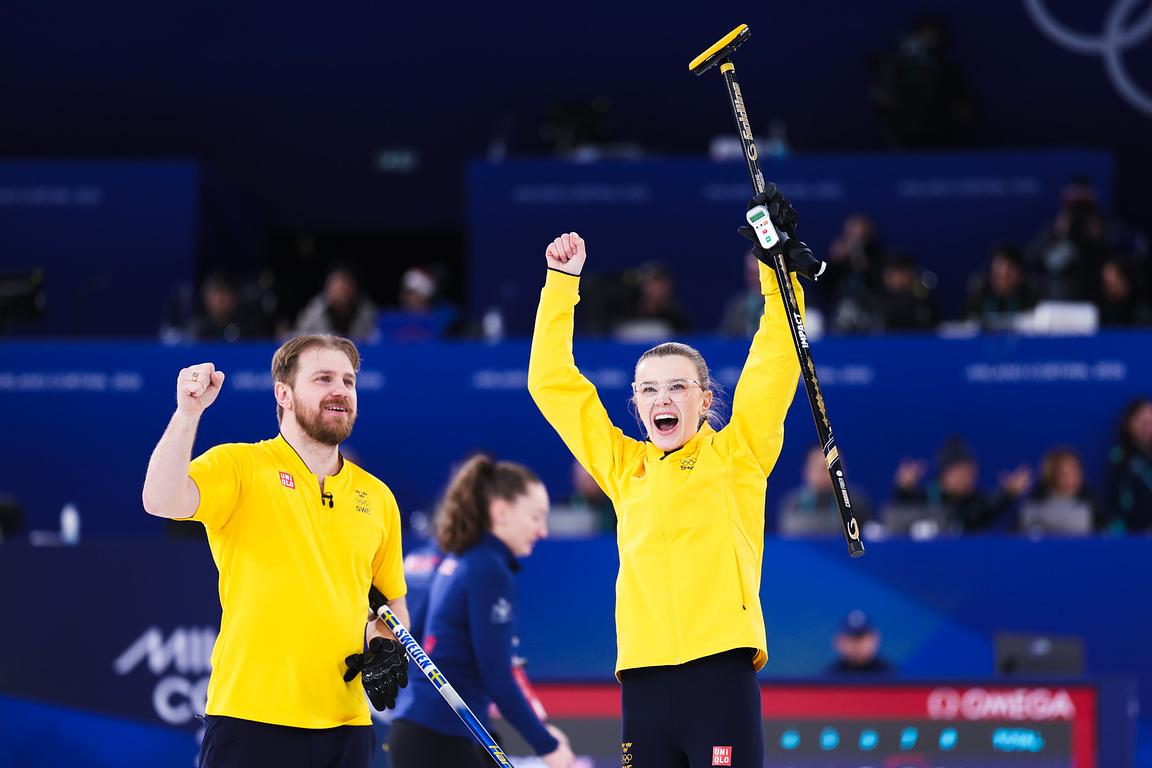

17 July 2026
Inside Isabella Wranaa’s incredible season of Olympic and World Championship success
“It’s been a crazy season.”
A year ago, Isabella Wranaa was celebrating her 28th birthday, reflecting on a season in which her team claimed two tour titles. Yet it was also another campaign where they were beaten by Anna Hasselborg’s side for a place at the World Women’s Curling Championship.
Like any nation with more than one world-class skip, Team Wranaa have often been overshadowed by Team Hasselborg, two-time Olympic and three-time European champions, who have spent the majority of the past four years inside the world’s top ten.
Their breakthrough came at the 2023 European Curling Championships when they were selected on merit ahead of their more experienced rivals. After a strong run to the playoffs, they struggled in the semi-finals and bronze medal game against Italy and Norway, leaving the tournament in fourth place.
But Team Wranaa have had to bounce back before.
Isabella and her brother Rasmus, who spent ten seasons playing with now-retired Swedish great Niklas Edin, decided to pursue qualification for the Beijing 2022 Olympic Winter Games together. They ultimately fell short to their respective teammates, Almida de Val and Oskar Eriksson, who would go on to win Olympic bronze.
Yet they proved to be the team with staying power. After a playoff exit at the 2022 World Mixed Doubles Curling Championship, the siblings returned in 2024, defeating Switzerland and Estonia in the latter stages to win the world title together. By virtue of that victory, they helped Sweden qualify for the Milano Cortina 2026 Olympic Winter Games. When it came to team selection, they were the clear choice to represent their nation.
“I was so excited to just go and play my first Olympics and that’s been something I’ve been dreaming of since I was 10 years old,” said Wranaa. “And it was so fun to get to do it with Rasmus as well.”
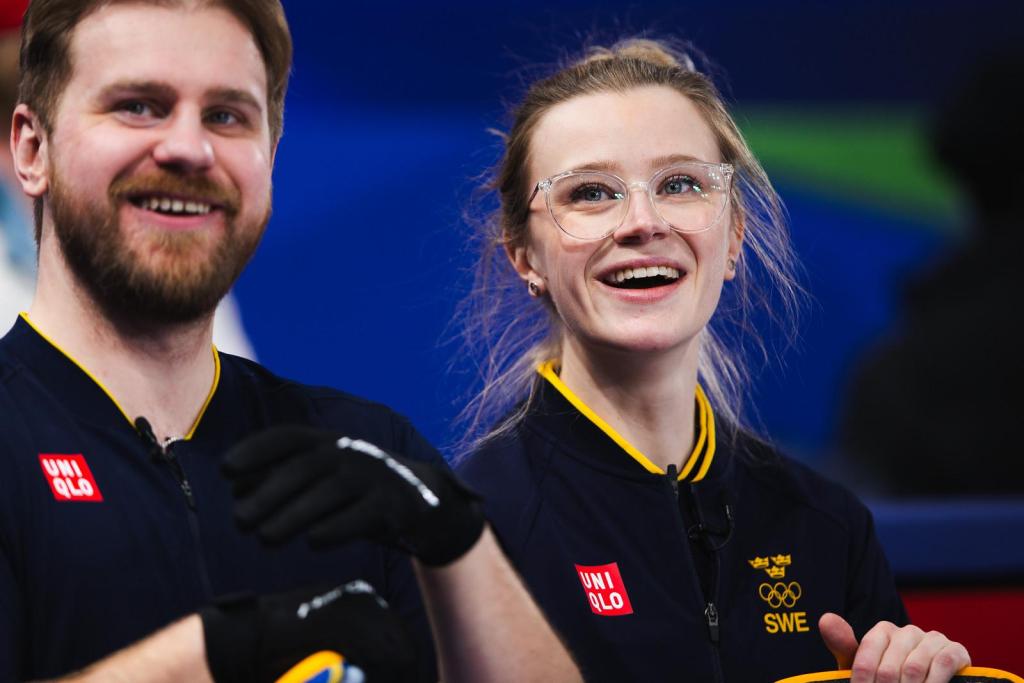
A dream Olympic debut
The Olympic dream started well with two wins before three defeats against medal favourites Estonia, Great Britain and Norway. The siblings felt they had played well in the first two losses before suffering what Isabella described as their “worst game of the whole competition” against Kristin Skaslien and Magnus Nedregotten, as the Norwegians handed them a 9-0 defeat.
“After that, we had to regroup,” she said. “I was a little bit sad after that game, but it was so nice to have Rasmus. He went into the locker room after the game and said, ‘I’ve got good news – if we win the rest, we’re in the finals’.”

Confidence quickly returned as they bounced back to defeat Switzerland before overcoming reigning Olympic champions Stefania Constantini and Amos Mosaner in what they described as the “best game of the tournament so far”.
Rasmus came close with his prediction. Although they lost their final round-robin game to the United States, defeats for Switzerland and Canada elsewhere confirmed Sweden’s place in the top four before the final draw had even been completed.
Throughout the tournament, they stayed true to the principles that define their partnership. Before committing to playing together, they sat down with coach Andreas Prytz to ensure any sibling rivalry would stay off the ice. Their number one rule was simple: whenever there was disagreement, the thrower would make the final decision. To this day, Isabella says they have never argued during a game.
That chemistry dates back to childhood. Growing up in a curling family, they were coached by their father Mats, who skipped Sweden at the 1995 European Curling Championships and is a two-time World Senior Curling Championships gold medallist.
“Siblings first, teammates second,” she added, reflecting on the bond that carried them towards the Olympic semi-finals. Knowing each other’s personalities throughout their lives was another advantage. Isabella describes herself as “outgoing and very fiery”, while calling her older brother “very calm and logical”.
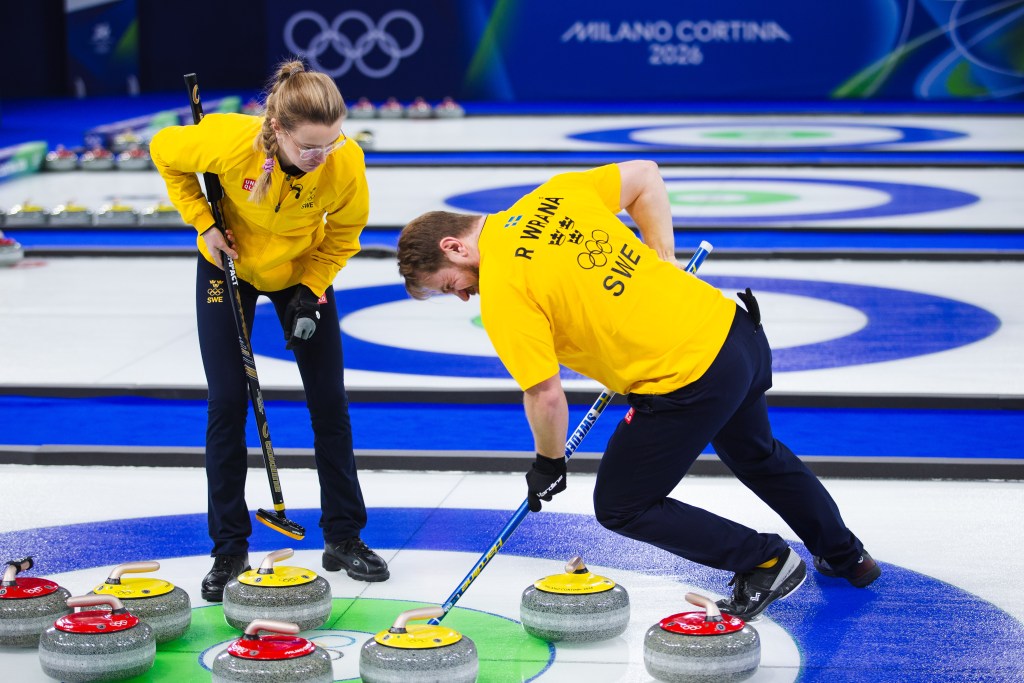
Olympic gold together
Childhood friends Bruce Mouat and Jen Dodds stood between the Swedes and a place in the Olympic final. This time, Team Wranaa won the rematch in a tightly contested game, prevailing by a score of 5-4.
“I felt going into the play-offs, we were like, ‘we’ve got this chance, now we’re going to really prove ourselves and put everything out there and just try to play as good as possible’,” said Wranaa. “And I felt like in that semi-final, both teams were playing really, really well for a long time.”
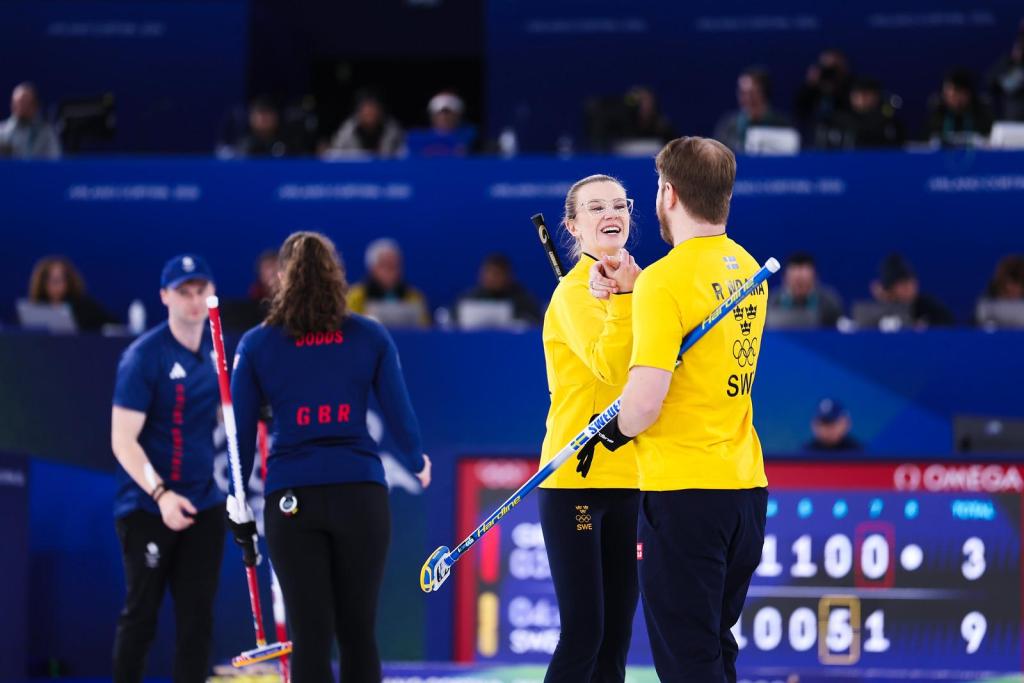
Winning was a “dream come true” for the siblings.
Nerves inevitably built before the gold medal game against Americans Cory Thiesse and Korey Dropkin, but Isabella remained composed despite facing another team that had beaten them earlier in the tournament.
“That whole final I felt like I had tunnel vision and just managed to play really well, and Rasmus also played really well, but it was a super close game and they gave me a shot for the win in the last end.
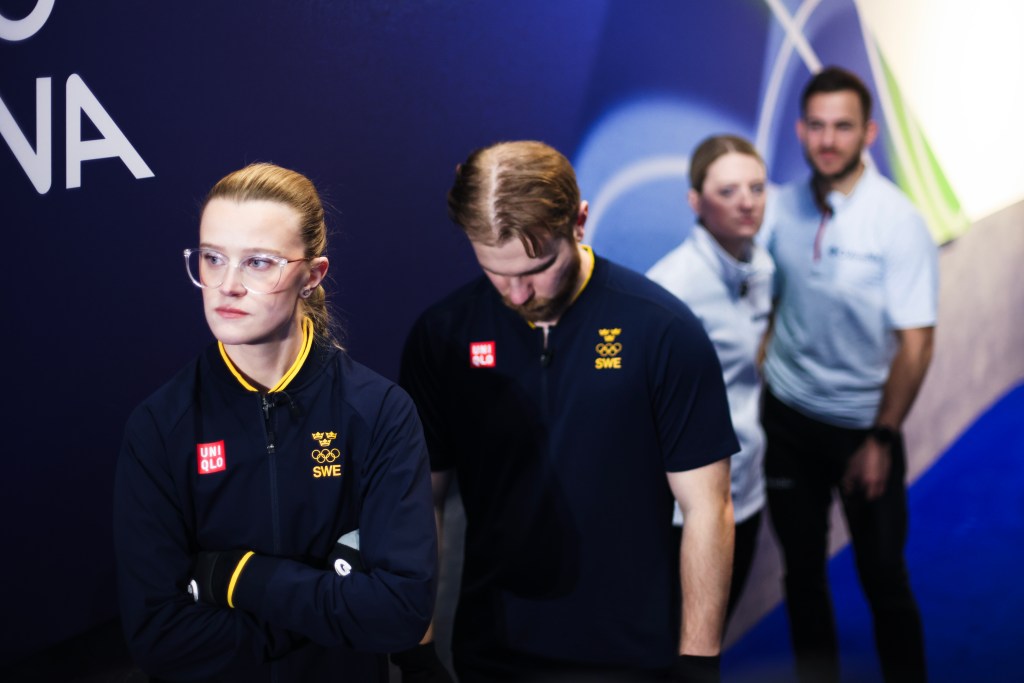
“And it’s a shot that I like to play, but then it’s the Olympic final and if you make this, you’re gonna get the gold, and if you miss, you’re still a silver medallist, but in that moment, you really want the gold.”
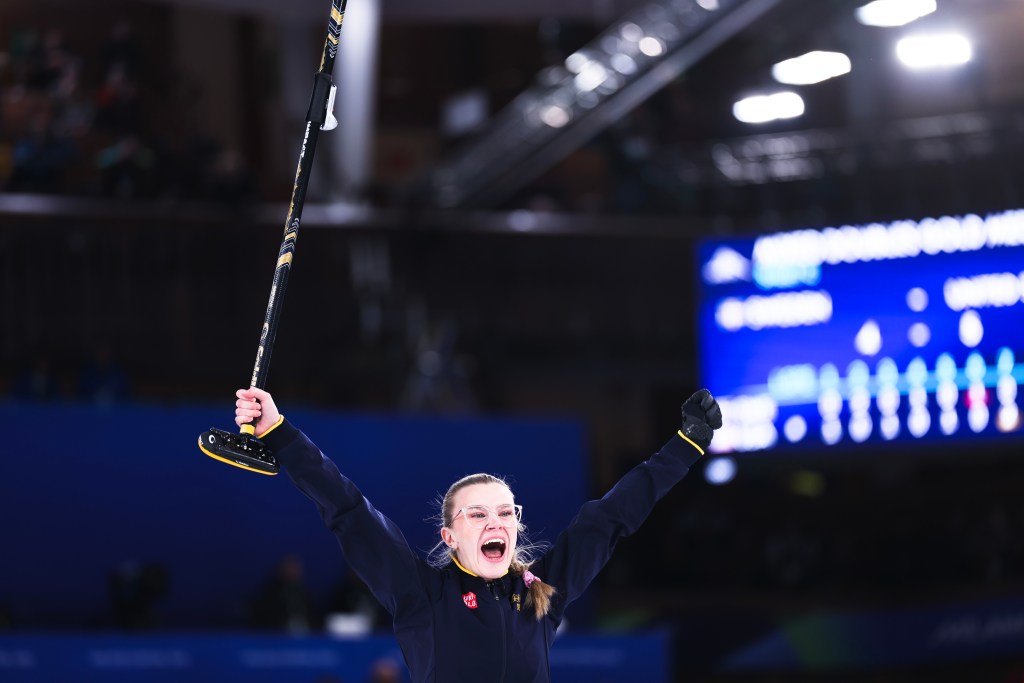
The shot was made. Sweden scored two in the final end to secure a 6-5 victory, sparking scenes of “screaming and cheering”.
“It’s just one of the greatest sports memories I have and just amazing feeling to be able to tick off a goal that you had forever,” she added.
Carrying Olympic momentum to the World Championship
Just a week later, Anna Hasselborg won her second Olympic gold medal, further cementing her reputation as one of the greatest skips in modern history.
A month later, Team Wranaa arrived at the BKT World Women’s Curling Championship knowing they would finally make their debut on the sport’s biggest annual stage.
“When we finally got the chance to go, we knew we wanted to medal,” she said.
A difficult opening draw against hosts Canada ended in defeat, while further losses came against Norway, Japan and Switzerland. However, results elsewhere helped Sweden secure fourth place in the round-robin standings.
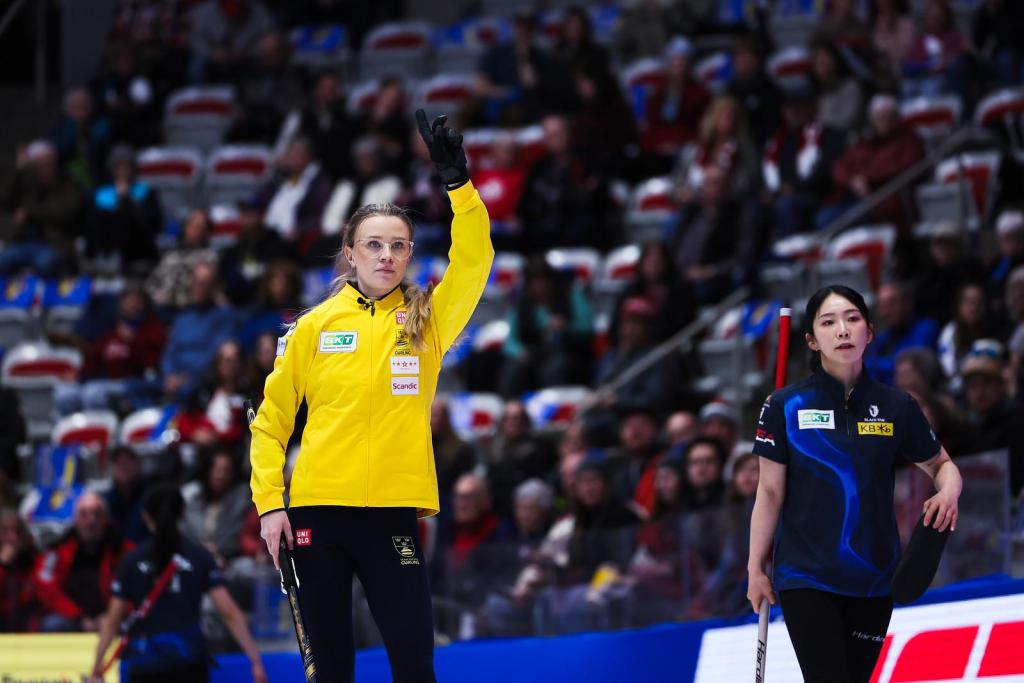
Having already defeated Gim Eun-ji’s Korea, they repeated the feat with a 9-5 victory in the qualification game. Their run ended in the semi-finals against Xenia Schwaller’s Switzerland, who would go on to win the world title.
That left one final opportunity to reach the podium.
Facing Fujisawa Satsuki’s Japan once again, Sweden needed to overturn the result from their previous meeting. Locked at 3-3, they scored five with hammer in the eighth end to effectively seal the contest before eventually winning 8-5.
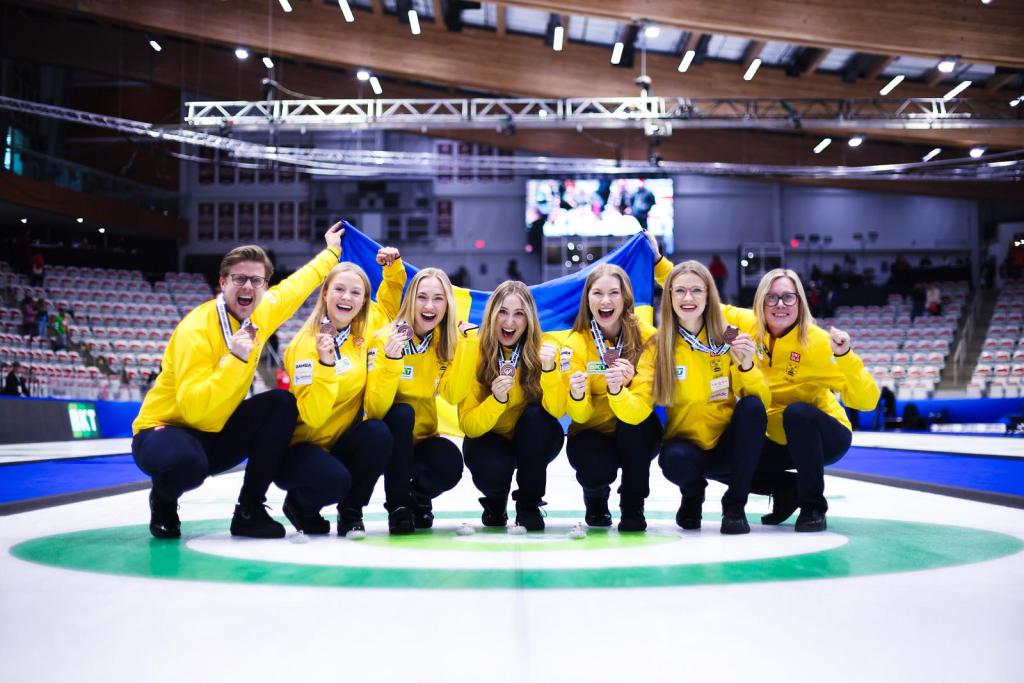
On their World Championship debut, Team Wranaa had won bronze.
Hungry for more
Celebrations followed in Calgary, culminating in a well-earned team dinner. Yet even after several courses, their appetite remained.
“It’s a lot of years of training and competing to be on the podium at the World Championships, but we want more,” stressed Wranaa.
“We’ve just got to keep on climbing the rankings and keep on playing the best teams to gain some experience.
“This was just a couple of weeks after the Olympics also. It was just such a nice feeling to share this incredible spring for myself with my girls. They deserve this so much. They’ve been practising so hard and giving up work, family time and everything for so many years.
“I think going forward we’re in a situation where we’re all still good, but we know we’re a couple of steps behind the powerhouses in women’s curling.
“There are things we need to work on, but some of it is trust the process and getting the experience and it’s obviously a great experience to be able to be at the Worlds, gather all those emotions and go through that.”
Next season will bring a return to reality. Anna Hasselborg remains one of the world’s elite skips, and dislodging her from Sweden’s top spot will be no easy task.
Even so, Wranaa views that internal rivalry as one of her team’s greatest strengths.
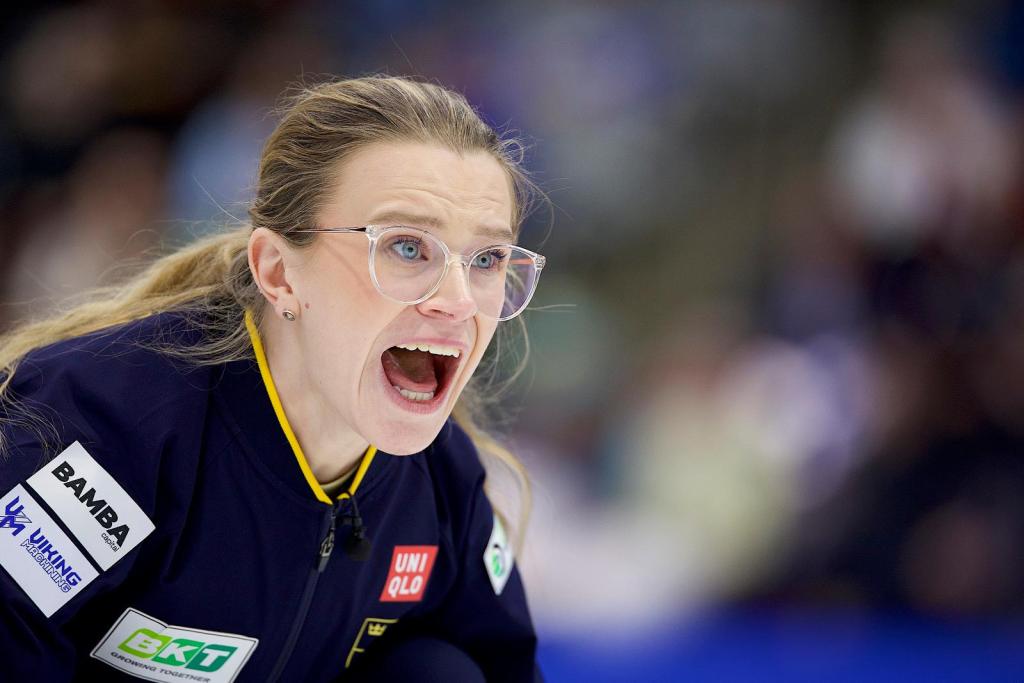
“It’s been really good for both us and Team Hasselborg to have each other,” she said. “We had to step it up every year, every game. In all these different qualifications we’ve done best out of seven, we’ve done tour qualifications, but I think it has pushed us and it pushed them to become a little bit better.
“It’s also great because when we have that good competition within Sweden, we know that every time we put a team up for the World Championships or the Europeans, it’s a good team.
“That can be tough, but I think it’s also more to curling than just championships. We have the Grand Slams, we have the tour events.
“You can do so much learning even before you put on the Swedish shirt and I think that perspective is something we try to have for all these years. And also, the best team usually goes almost all the time in a qualification like this.
“So if you can’t beat them, you’ve got to try next time and just keep on keeping on and try to enjoy all the other fun things that are around curling nowadays.”
The fun comes naturally to Team Wranaa, one of the sport’s most colourful teams, known for their choreographed social media videos and playful personalities away from the ice. Isabella even refers to them as “showgirls”.
And like all entertainers, they will be hoping to spend even more time in the spotlight next season.
Join the World Curling community!
Follow us on Instagram, Facebook, X, TikTok, LinkedIn and Weibo and by searching the hashtag #curling
Sign up for the World Curling Newsletter and receive monthly updates directly to your inbox.