
2 May 2026
Mixed doubles leads curling into the modern era
Mixed doubles.
The shorter, more dynamic 21st century version of the ancient sport of curling that has played an important — and growing — role in bringing more people to playing the game, more viewers to watching the game, and encouraging the Olympic movement to appreciate the sport more.
It has also seen more countries winning championship medals — Australia, Estonia and Hungary, for example — as well as helping the sport achieve gender parity.
It has come a long way since the very first World Mixed Doubles Curling Championship, held in Vierumaki, Finland in 2008, which was won by Swiss duo Irene Schori and Toni Mueller.
An Olympic mainstay
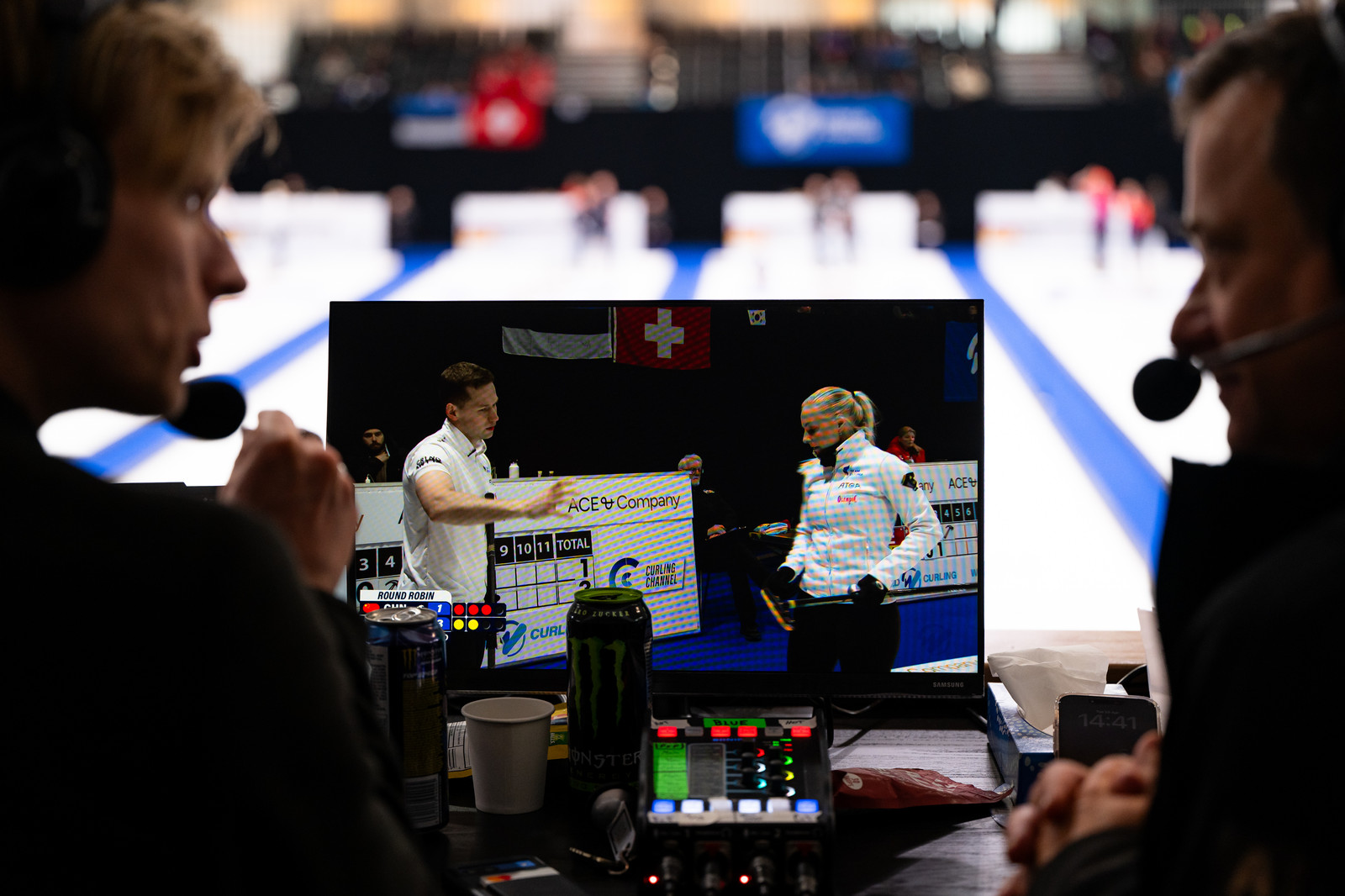
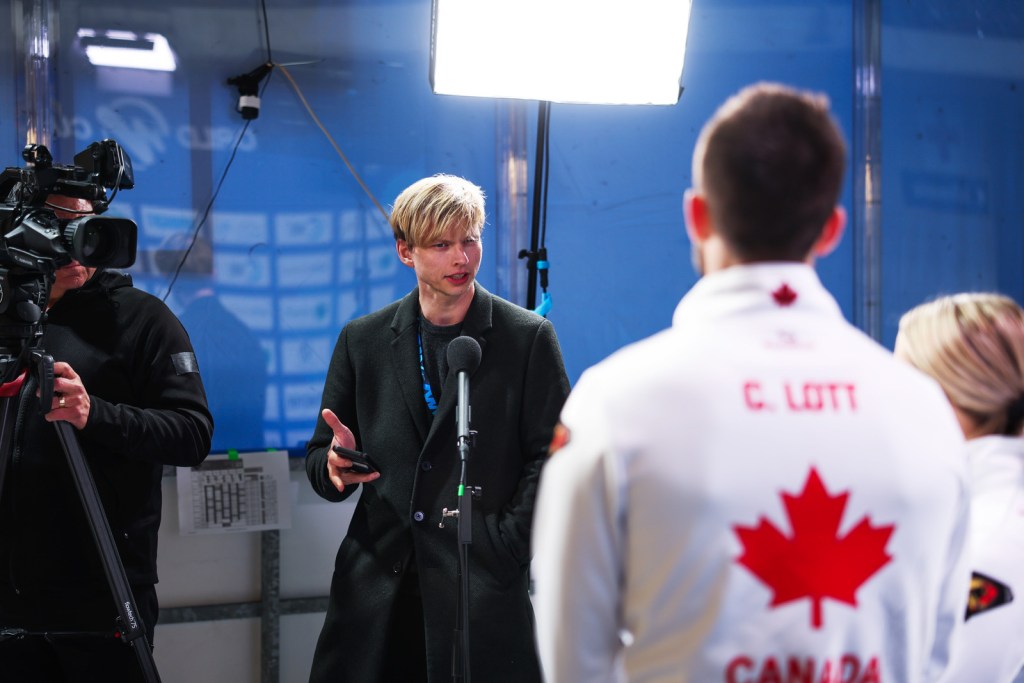
Since then, there have been a lot of changes as to how mixed doubles is played, and who better to give us some background to those developments than World Curling TV commentator Sander Roelvaag, who has commentated at every mixed doubles championship since the 2012 edition.
This track record makes it safe to say that it is entirely possible that no-one has watched more mixed doubles curling than him.
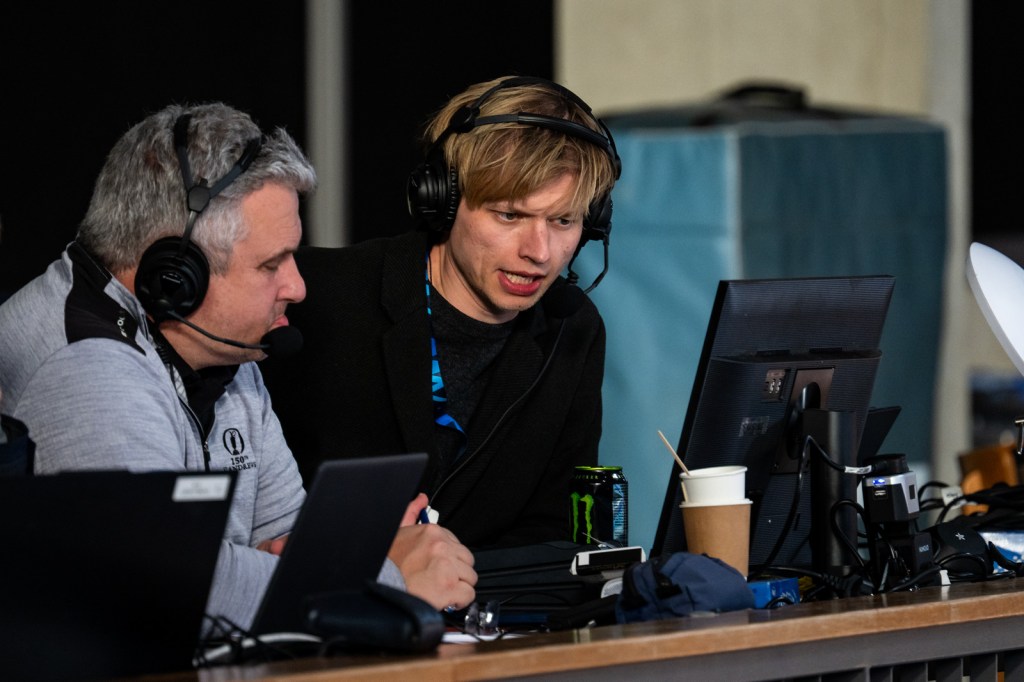
Sander makes it clear that things have improved since 2012.
He said, “The standard across curling has improved since then across all disciplines but especially in mixed doubles.”
He also identified one big reason behind the improvements in the discipline, “The improvement is natural because of mixed doubles becoming an Olympic discipline.”
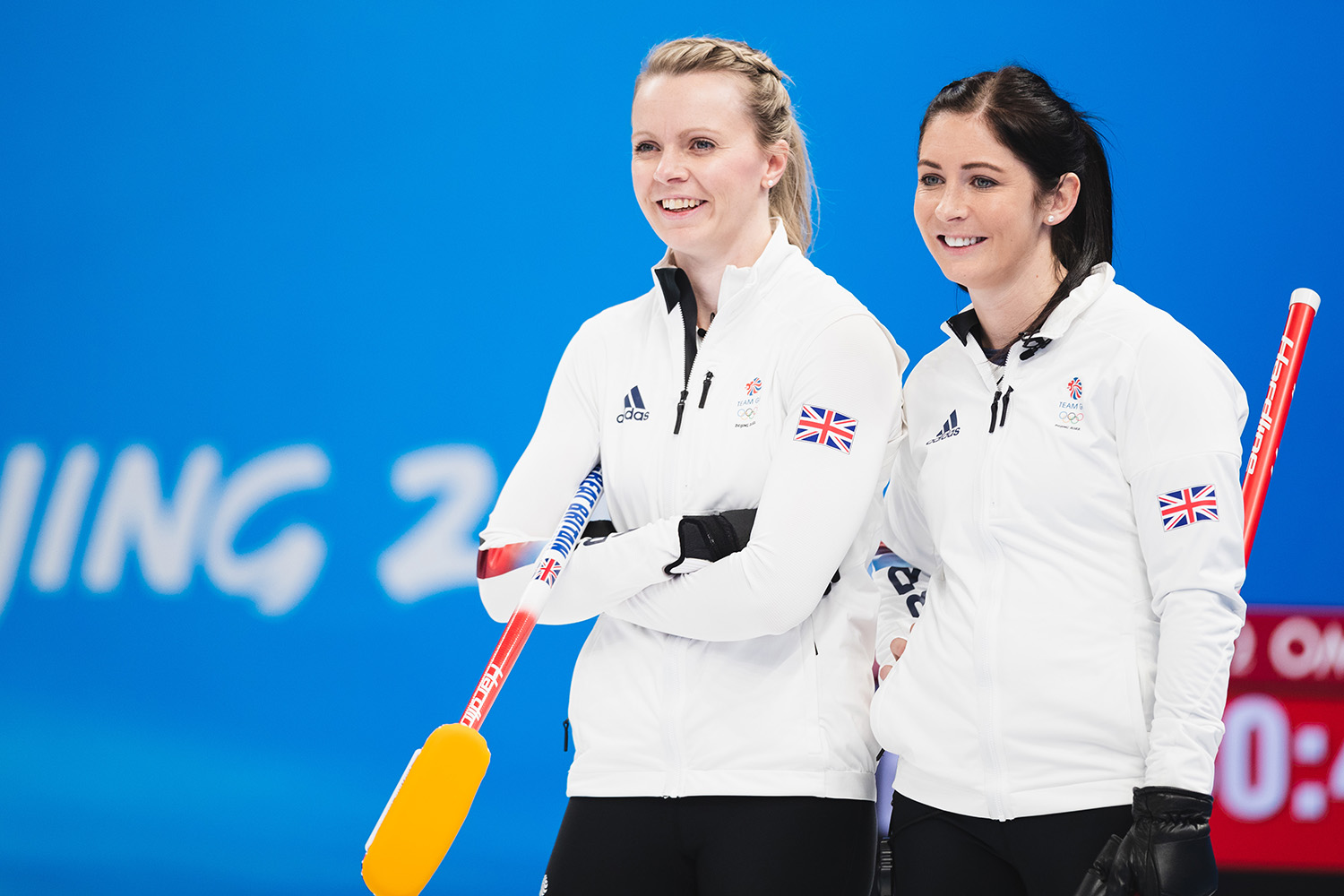
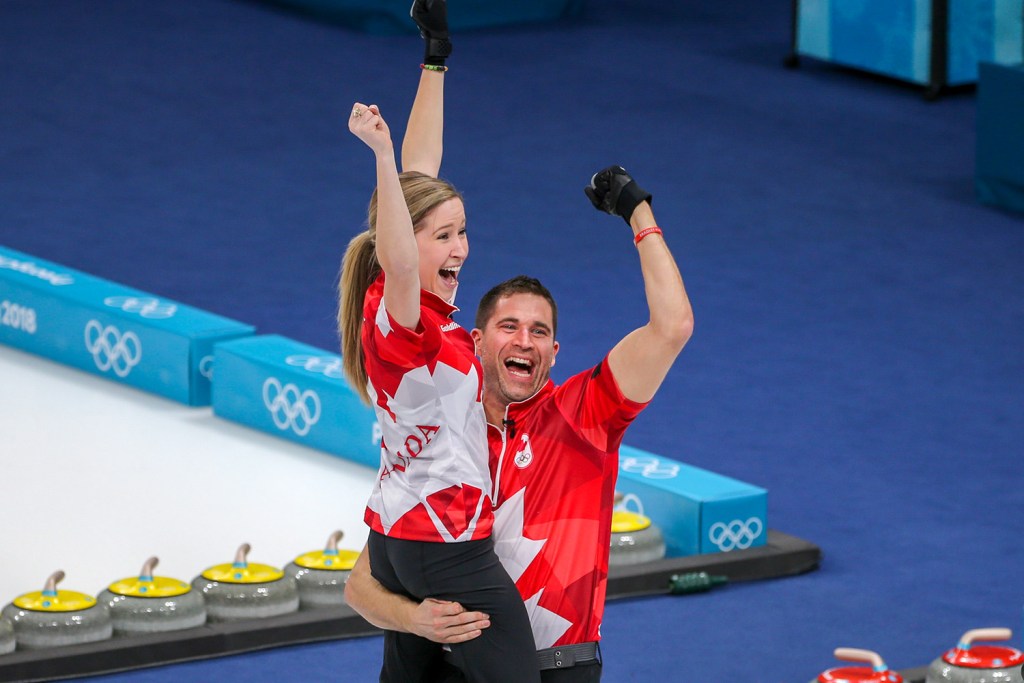
And to prove Sander’s point, when mixed doubles made its Olympic debut at the Pyeongchang 2018 Olympic Winter Games, the Canadian duo of Kaitlyn Lawes and John Morris were the winners — both of whom were already Olympic champions in team curling. This was clear evidence that mixed doubles had come of age among elite athletes.
Tactics evolution and the power of change
Sander has observed other changes over the years, especially in tactics.
“One big change was playing the run-backs and the big hits.”
He has his theory about how that came about.
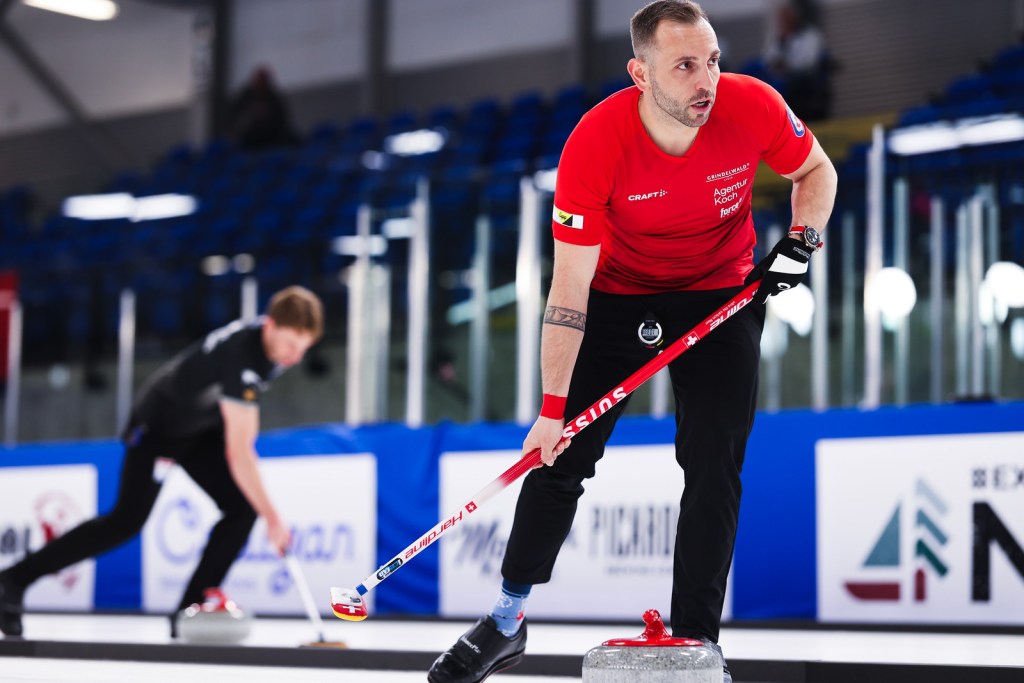
“I’d like to attribute that to Sven Michel from Switzerland who won [the World Mixed Doubles Championships] in 2011 and 2018. He was a four-person player who came into mixed doubles with that skillset. Up until then it was almost always drawing towards the four-foot, no matter what.”
“He came in and basically, if he didn’t set up the end well, he would run it back. It was tough to do. When you have a bad set-up in mixed doubles it’s tough to get out of it because you have a very short end. But because he was so precise and good at it, he nailed it. It was very effective.
“Either he inspired others or it was just the fact that more and more team players started to play mixed doubles, bringing that with them.”
Sander is clear about the benefits of this change.
“That makes it a more attractive game because you see a more effective selection of shot-making, not just one big guddle of rolling into the four-foot over and over. “
Sander continued, “Generally, the challenge for mixed doubles is that it’s a little repetitive.”
But he also points out the remedy, “That’s why the Power Play was introduced — just to mix things up a little.”
First brought in in 2015, the Power Play allows teams to place their pre-positioned stones on either wing rather than the centreline, making access to the button easier and encouraging big scores.
Sander shared his thoughts on future developments on stone placements.
“I’m not sure how to do it, but pre-positioned stones along the centre-line make it seem that every end is pretty much the same. But if you talk to people having the power play makes it something different.”
“So, if you could find a way to have the pre-positioned stone in more places, with more variety — I’m not sure how to do that, you’d have to do it in a fair way for the teams. But stones being in different places would make it… different, which I think is the big draw.”

Faster, fitter and built for new fans
Another change over the years has been in sheer physicality of the players. Sander said the players are definitely fitter and stronger.
“You see some of the best players are utilising that a lot. People like Korey Dropkin of the US, a very physical player, exerting a lot of energy.”
He added, “It’s fast-paced. I’ve played a little myself — I was gassed! Because there’s only two players, it’s a challenge.”
Sander acknowledged that mixed doubles is becoming increasingly popular.
“A lot of people seem to enjoy it, more so people who haven’t been players. It seems to be attractive to new fans of the sport — it was very attractive at the Olympics. It’s pretty common in other sports to have shorter versions, but the hardcore supporters will favour the traditional game.”
And he picked a good way of explaining the difference between team curling and mixed doubles.
“To me the traditional game is like a movie, while mixed doubles is a TV show. In the movie you have a little more time to build suspense, to get invested in the story. Mixed doubles is a little more right-away and swifter. I wouldn’t like to say one is better than the other. I have my preference and other people will have their preference, but there’s room for both.”
“Overall, I think it’s a good thing that we’re trying out new things. I don’t think we should be afraid of trying.”
Join the World Curling community!
Follow us on Instagram, Facebook, X, TikTok, LinkedIn and Weibo and by searching the hashtag #curling
Sign up for the World Curling Newsletter and receive monthly updates directly to your inbox.