

3 November 2025
More than sport: Curlers reflect on mental health, balance, and support
October marks Mental Health Awareness Month, a global initiative focused on empathy, understanding and collective action.
Behind the high-pressure competitions, long seasons and national expectations, lie stories from curlers of resilience, connection and courage.
Finding strength through conversation
For Canada’s Brett Gallant, working with a sports psychologist has become an essential part of maintaining his overall mental well-being.
“When you’re in these kinds of high-pressure events all the time, it’s nice to have some training on how to deal with it,” he said. “It’s also good to have someone to reach out to if you’re struggling.”

Gallant credits his wife, fellow curler Jocelyn Peterman, with helping him stay balanced. “She knows the pressures and feelings that come with sport. It’s nice to have people to lean on, to talk to, that’s important.”
Referring to his team, he added, “Everyone’s dealing with stresses and anxieties, and we’re learning how to deal with them better. It’s OK to not be perfectly OK.”
Rediscovering balance beyond sport
After the Beijing 2022 Olympic Winter Games, Canada’s Rachel Homan faced one of the toughest chapters of her career, missing out on medal contention in a matter of millimetres during a mixed doubles defeat.

Referring to the stringent COVID-19 countermeasures in place during the event, Homan said, “Being in isolation for so long took a toll. I was postpartum, missing milestones like my girls’ first steps, and after giving everything, you just feel like you’re not enough.”
Homan says the experience taught her how vital a strong support network is, and that having commitments outside of sport is key. “It’s important to have people in your corner to share the highs and lows with. Life isn’t just one thing. There’s more to life than sport, and remembering those other exciting parts can make all the difference.”
Having a strong support system
For Matt Hamilton of the United States, mental health is a team effort.
“Having a support group, whether it’s teammates, family or a friend, that’s everything,” he said. “Even if they don’t have the solution, just saying it out loud can really help.”
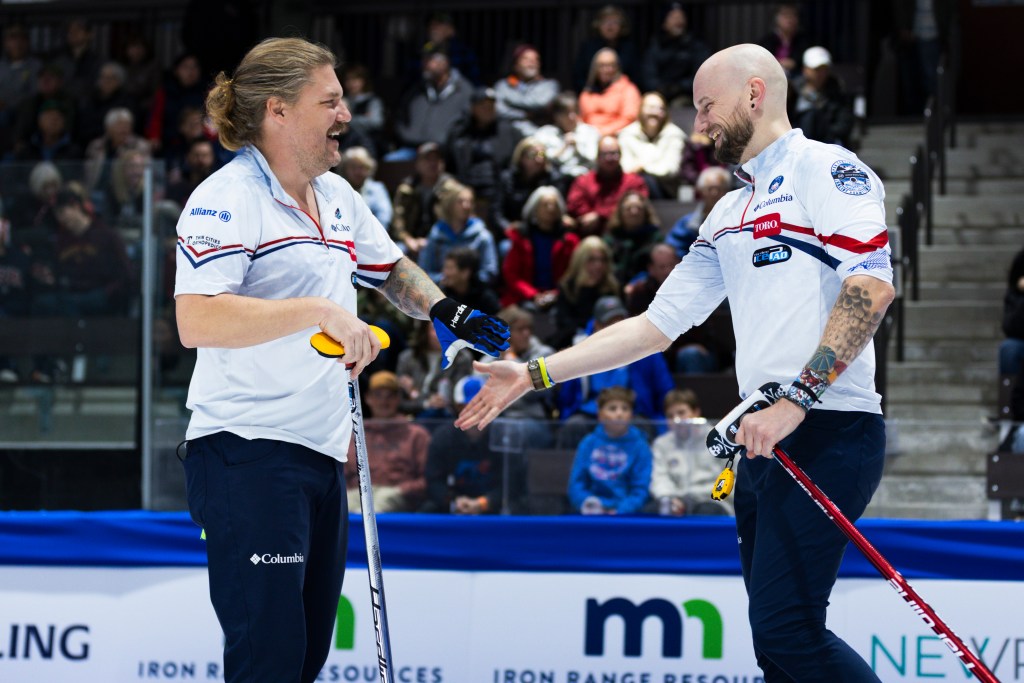
Hamilton says the bond within his team has helped them overcome adversity, including missing out on the bronze medal at the Beijing 2022 Olympics.
“A mentally weak team might not come back from losses, but we’ve learned to have each other’s backs. You can’t know how you’ll react until you go through it, but we’ve built that resilience together.”
Mindfulness in everyday moments
Korea’s Gim Eunji finds her calm in small, familiar routines.
“I bake to relieve stress,” she said. “On my days off, I go to my sister’s café and bake, and eat. When I run, I can focus and clear my mind.”
For her, mental well-being comes from everyday mindfulness. “Those little moments help me reset,” she added.
Finding purpose and perspective

United States second Tara Peterson, who also works as a dentist, understands how difficult post-competition periods can be.
“Athletes go through dark times,” she said. “You come home from the Olympics thinking, ‘I have no other purpose.’”
Although Team USA didn’t get the result they wanted, Peterson says her work helped her move forward.
She recalled a moment soon after returning from the Games. “My husband and I flew to Las Vegas the day I got back. I remember lying in the hotel room, crying. It was good to let it out and to show emotion. Don’t be afraid to lean on people close to you.”
Shared experience and sisterhood
Tara’s sister and teammate, skip Tabitha Peterson, experienced a different kind of challenge after giving birth.
“You don’t know until you’re in it,” she said. “The first month or two postpartum, even small things would make me cry. I didn’t know that was normal.”
Having her sister’s support made a major difference. “Tara’s who I go to when I have questions,” Tabitha said, highlighting how empathy and understanding between teammates and family can be a lifeline.
A shared message
Across their stories, one message stands out: mental health matters, and no one should face it alone.
From Gallant’s openness and Homan’s rediscovery of balance, to Hamilton’s emphasis on teamwork, Eunji’s mindfulness and the Peterson sisters’ honesty, these athletes remind us that resilience isn’t the absence of struggle but the strength to keep showing up, for yourself and for others.
Join the World Curling community!
Follow us on Instagram, Facebook, X, TikTok, LinkedIn and Weibo and by searching the hashtag #curling